


An honest, easygoing look at hybrid ownership: the savings, the surprises, and the few cases where a hybrid might not be your best move.
You know the feeling. You pull into a station on Piedmont Drive, glance at the sign, and do a little mental math you'd rather not do. That's usually the moment people start wondering about hybrids. Good news: the answer to "is a hybrid worth it?" is a lot less complicated than it used to be. We sell and service hybrids every day here in Danville, so we'll share what we've seen, the good parts and the fine print alike.
How a Hybrid Works, in About a Minute
A hybrid teams up two power sources: a regular gasoline engine and an electric motor, backed by a battery. The electric motor helps most when you're pulling away from a stop or creeping through traffic, which is exactly when a gas engine is least efficient. When you coast or brake, the car turns that motion back into electricity and stores it in the battery.
The part that surprises people: you never plug it in. A standard hybrid charges itself as you drive. You fill up with gas like always, just less often. Nothing about your routine changes.
The Fuel Math for a Danville Commute
Let's keep this simple and use one of the most popular vehicles around here: a compact SUV. Say you drive 12,000 miles a year, typical for commutes between Danville, Martinsville, and South Boston. A gas compact SUV averaging 27 mpg burns through about 444 gallons in that time.
Now picture a Tucson Hybrid instead, rated at up to an EPA-estimated 38 mpg combined. The same 12,000 miles takes roughly 316 gallons, so you'd skip about 128 gallons a year. With gas at $3.00, that's close to $385 annually, or around $1,900 over five years of ownership.
| 12,000 miles a year | Gallons used | Fuel cost at $3.00 |
|---|---|---|
| Gas compact SUV, 27 mpg | ~444 | ~$1,332 |
| Tucson Hybrid, up to 38 mpg | ~316 | ~$948 |
| Difference | ~128 fewer | ~$385 saved a year |
This example uses an assumed gas price. Your savings will depend on local prices, your driving habits, the model and trim you choose, and road conditions.
The Perks People Don't Expect
Fuel savings get all the attention, but owners tell us about other benefits once they've lived with a hybrid for a while.
It's smooth and quiet
At low speeds, much of the work is done electrically, so the car feels calm in parking lots and neighborhoods. Pulling away from a light feels effortless, since electric motors deliver their pull instantly.
Your brakes get a break
Regenerative braking means the electric motor handles part of the slowing down. Brake pads do less work, and many hybrid owners go longer between brake jobs.
Fill-ups become rare
Some Hyundai hybrids can travel well past 500 miles on a tank. Road trips to see family in Raleigh or a weekend drive up to Smith Mountain Lake start to feel like a one-tank affair.
Some hybrids are actually quicker
The Tucson Hybrid, for example, makes more horsepower than the gas-only Tucson. Going hybrid doesn't mean giving up pep.
What About the Battery?
This is the question we hear most. Hybrid batteries are engineered for the long haul, and Hyundai covers the hybrid system's key parts for 10 years or 100,000 miles through Hyundai Assurance.
If you're considering a pre-owned hybrid, keep in mind that warranty terms can differ for second owners. Our Hyundai warranty page lays out the details, and our team can walk you through the exact coverage on any vehicle. A Certified Pre-Owned Hyundai is also a great middle ground, since it comes with an inspection and extended coverage.
What Maintenance Really Looks Like
Here's a relief for most people: taking care of a hybrid is very similar to taking care of a gas car. You'll still need routine oil changes, tire rotations, fluid checks, and inspections. There's no special weekly ritual, and new Hyundais include complimentary maintenance to start. Because regenerative braking reduces brake wear, some long-term costs can even come in lower. When it's time for a visit, you can schedule service online with our Hyundai-trained technicians, who work on hybrid systems regularly.
When a Hybrid Might Not Be the Best Fit
We'd rather you love your next car than just buy it, so here's the honest side. A hybrid's biggest advantage shows up in mixed and around-town driving. If nearly all your miles are long, steady highway stretches at constant speed, you'll still save, but the gap between a hybrid and an efficient gas car shrinks.
On the other end, if most of your days involve short trips and you can charge at home, a plug-in hybrid or a fully electric IONIQ might save you even more. Compare them in our Hyundai EV hub. For most households somewhere in between, though, a standard hybrid is the easy, low-stress choice.
Matching a Hybrid to Your Life
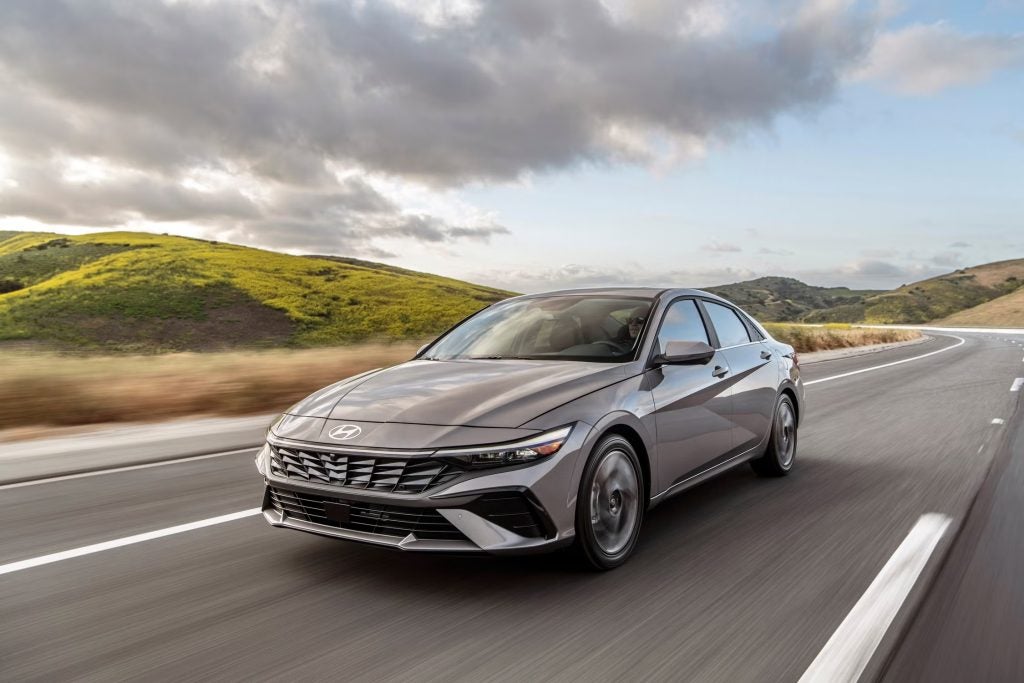
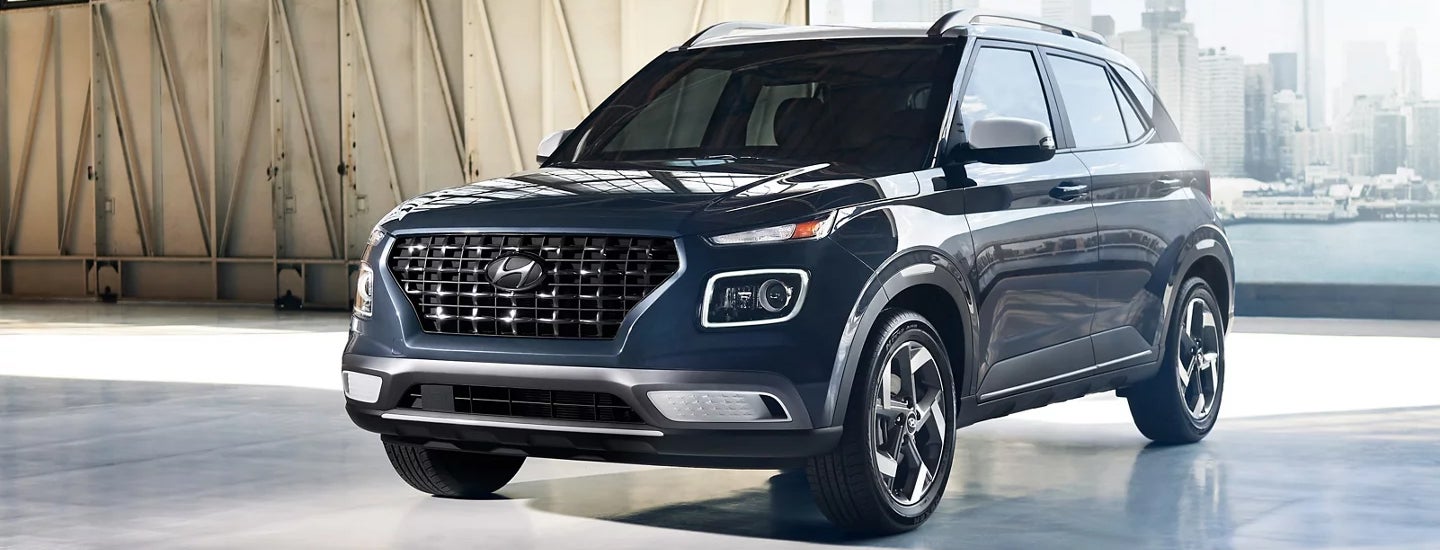
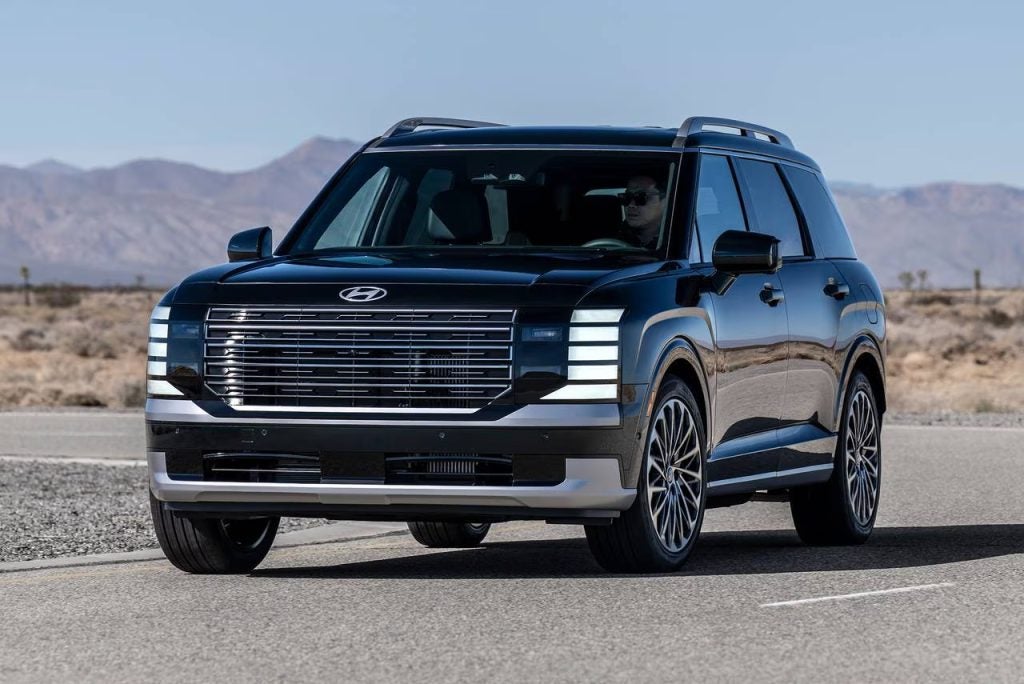
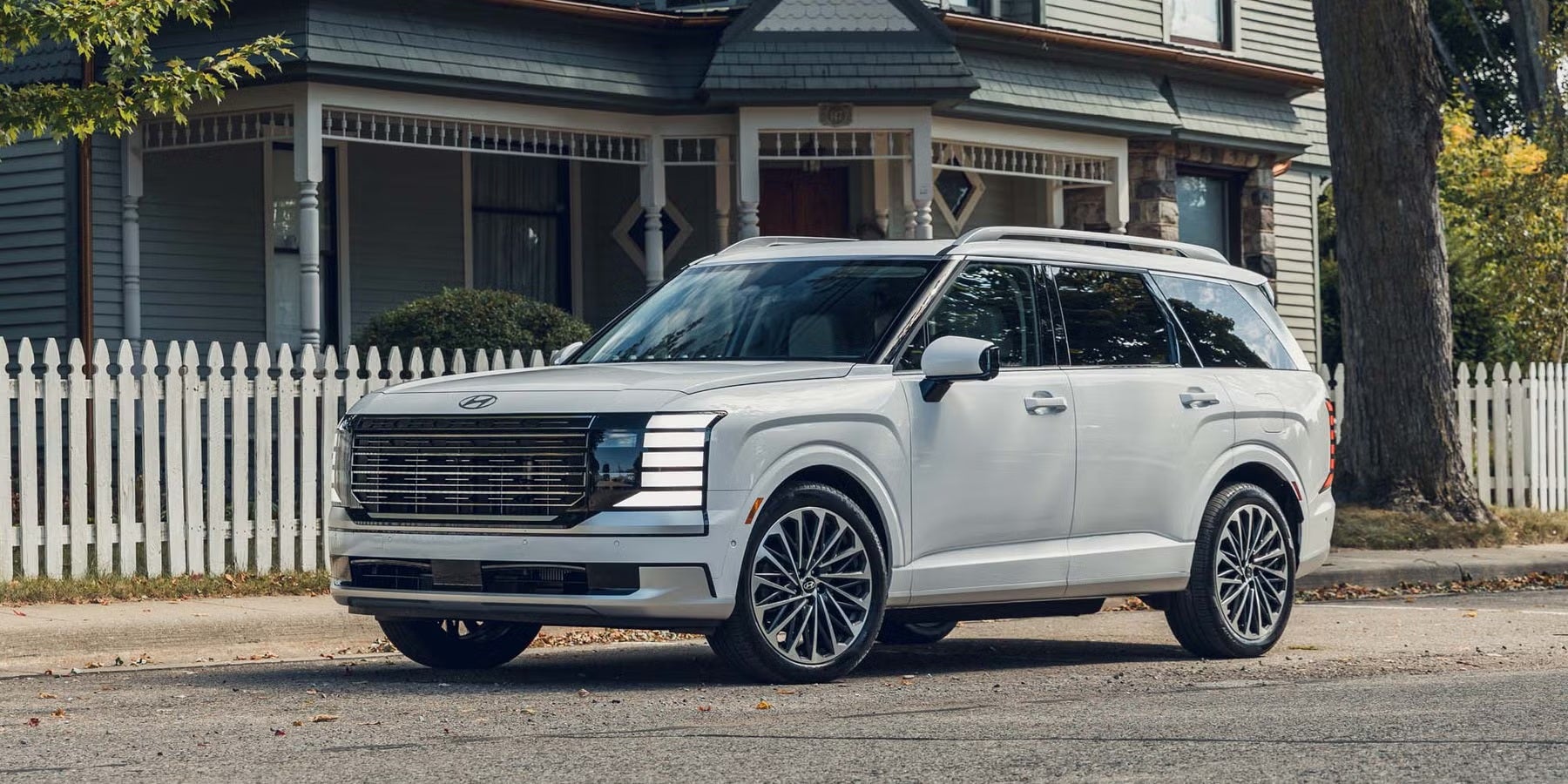
Hyundai offers five hybrids, and each one fits a different kind of week.
For a side-by-side look at mpg and features, visit our guide to hybrid cars in Danville, VA.
Ready to Take the Next Step?
The best way to know if a hybrid is right for you is to drive one. Browse our new Hyundai inventory or check used vehicles for pre-owned hybrid options. Before you visit, get a value on your current car with our trade-in tool, and pre-qualify online to make the process quicker. We'll have coffee ready and a hybrid warmed up.
Hybrid Questions We Hear All the Time
Do hybrids save money if I mostly drive on the highway?+
Yes, though the savings are usually smaller than with mixed driving. Hybrids shine in stop-and-go traffic, where the electric motor does more of the work. Many Hyundai hybrids still post strong highway numbers, so long-distance drivers typically come out ahead.
What happens to a hybrid battery as it gets older?+
Like any rechargeable battery, a hybrid battery can slowly lose a little capacity over many years. Because the gas engine and electric motor share the work, most owners notice little change in day-to-day driving. Hyundai's 10-year/100,000-mile hybrid coverage adds a safety net during that time.
Is a used hybrid a smart buy?+
It can be a great value, especially a Certified Pre-Owned model that has passed a detailed inspection and includes extended coverage. We recommend reviewing the vehicle's history and remaining warranty, and our team is happy to help with both.
Hybrid or plug-in hybrid: which is better for me?+
Start by picturing a normal weekday. If your errands and commute are short and you have a garage or driveway outlet, a plug-in hybrid like the Tucson Plug-in Hybrid can run many of those trips on battery power before the engine ever wakes up. If you'd rather never think about charging, a standard hybrid delivers most of the savings with zero change in routine.
Are hybrids good in rain and on back roads?+
Absolutely. The Tucson Hybrid comes standard with all-wheel drive, and all-wheel drive is available on the Santa Fe Hybrid and Palisade Hybrid. That adds confidence on wet pavement and the winding country roads around Pittsylvania County.